
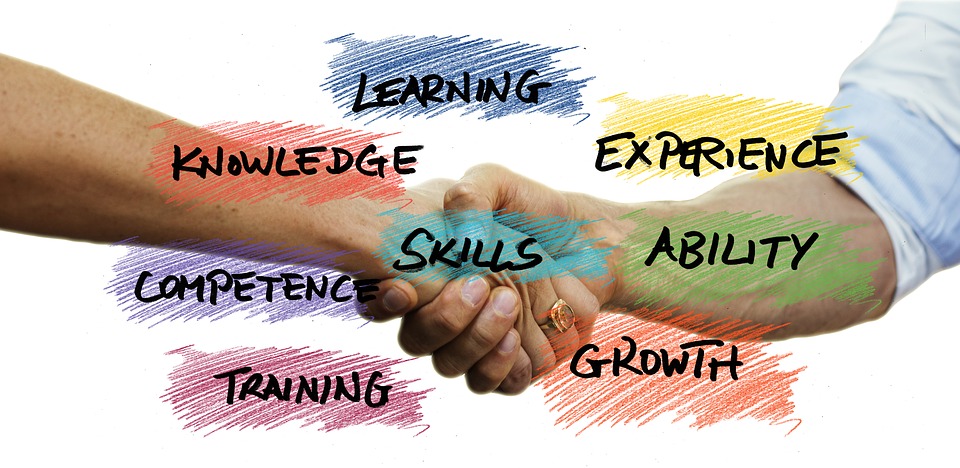
The STEM curriculum is majorly theory and practical components and there is less scope for actual skill development. Most of the graduate students in the sciences do not receive sufficient training for their careers outside their towers as per news reports. Students have found out that most of the graduate students in STEM fields try to get jobs outside their academic setting wherein their IT training often gives them short shrifts to the skills that will allow them to succeed in their careers.
The findings have come after many professional development programs for graduate students in the US as well as leaders at organizations from a variety of sectors in the STEM workforce. As per the results, most of the in-demand skills are those that are infrequently addressed by graduate programs by graduate programs are writing, mentoring. Leadership and communication. Some of the common STEM-specific skills are research ethics as well as research development.
Yet some of the other in-demand skills that are infrequently addressed and that are commonly told by employers are that they are lacking in STEM graduates. The most common sought after skills include data sciences, Robotics, risk and compliance, entrepreneurship and science. Also, most of the graduate programs give little attention to lab management skills as per reports.
Your skills are what that matters and not the degree to get a high paying job. When you finish your degree in STEM there are many ways to get employed. The job market has transformed rapidly since the 90’s and the landscape is changing even more rapidly. While traditional careers in research and practice are still the norm. psychology trained graduates to are finding jobs in all sorts of areas as mediators, health consultants, computer scientists and statisticians and project managers in the industry.
Despite those new opportunities, many graduate programs are still rooted in the past. We have programs that prepare people pretty well to become professors now. Educators must now think beyond their limitations and must take steps to think about abilities anyone would need to be successful in today’s fast-paced, high-tech workplace like taking the latest java courses online or Data science courses to remain in vogue. Academicians also are expected to collaborate with people in other fields justifying their existence and communicate with people who have short attention spans. Even though they may not be in vogue or fit for non-academic careers they are just as important for academic careers.
There may times when you don’t get a good job and as a student, you may not understand how to apply the skills you have in the field that you have been trained for. Graduate programs also have the need to help the students to see how the abilities must be applied to a whole lot of settings. To help make the students make the connection, it is the duty of the faculty members or IT trainers to make greater efforts to understand the modern workforce. Most of the time the students may be afraid to tell the advisors that they are interested in some other job and may be judged or treated with disappointment. When the students seek it is the duty of the trainer or the faculty to not shrug and be supportive.
OHO Training is helping and undertaking efforts to help the students to develop competencies that you might not get in a classroom. We are developing online modules too to address the most sought-after skills so that students can pursue different career paths to feel a part of the IT community. We wish you all the very best in your endeavors.
